Buy lanpengeonline.eu ?
We are moving the project
lanpengeonline.eu .
Are you interested in purchasing the domain
lanpengeonline.eu ?
domain@kv-gmbh.de · 0541-91531010
Buy lanpengeonline.eu ?
Why do you perform chest compressions?
Chest compressions are performed during cardiopulmonary resuscitation (CPR) to manually pump blood through the body when the heart is not able to do so effectively. This helps to maintain blood flow to vital organs, such as the brain, until more advanced medical help can arrive. The goal of chest compressions is to keep the person alive until their heart can be restarted or until emergency medical services can take over. **
How to perform chest compressions on individuals with funnel chest?
When performing chest compressions on individuals with funnel chest, it is important to adjust the hand placement slightly. Instead of placing the heel of the hand in the center of the chest, it should be positioned slightly to the side of the sternum to avoid putting direct pressure on the depressed area. The compressions should still be performed at a rate of 100-120 per minute, with the chest being compressed at least 2 inches deep. It is crucial to ensure that the compressions are effective in order to maintain blood flow and circulation to vital organs. **


Similar search terms for Chest compressions
Top-Angebote
Products related to Chest compressions:
-
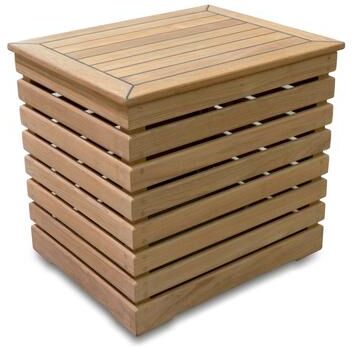
PRiME Teak Chest"Teak Chest Slat sides, solid top Can be used as a bench Stainless Steel hardware Fully assembled Oiled finish Large Chest Size: 33-1/2"" W x 18-3/8"" H x 17-1/2"" D Small Chest Size: 20"" W x 18-1/2"" H x 15-3/4"" D Our premium teak products resist the…"803,49 $*Shipping: 0,00 $Secure redirect to the provider
-
Perfect Picks Market Silicone Chest Wrinkle Patch Reusable Anti Aging Chest Pads For Smoother Skin Silicone Chest Wrinkle Patch Reusable Anti Aging Chest Pads For Smoother SkinWake up feeling more confident with smootherlooking skin where it matters most. This silicone chest wrinkle patch is designed for anyone looking to reduce the appearance of chest lines, cleavage creases, and sleep wrinkles without complicated...29,97 $*Shipping: 0,00 $Secure redirect to the provider
-
Taurus Pro Iso Standing Chest Fly Standing Chest Fly + 35kg TPU PlatesThe Taurus Iso Standing Chest Fly is a premium isolation machine designed for professional gym facilities. The machine is engineered for heavy use and high traffic. The space-efficient design makes it a great addition to commercial setups looking to provide an interesting alternative to regular...666,84 £*Shipping: 0,00 £Secure redirect to the provider



-
How do you perform chest compressions on a woman?
When performing chest compressions on a woman, the technique is the same as for a man. Place the heel of one hand on the center of the woman's chest, between the nipples. Place the other hand on top of the first hand and interlock the fingers. Keep your arms straight and position your shoulders directly above your hands. Press down firmly and quickly, allowing the chest to recoil completely between compressions. Remember to perform compressions at a rate of 100-120 per minute. **
-
How often do you perform chest compressions during resuscitation?
During resuscitation, chest compressions are typically performed at a rate of 100 to 120 compressions per minute. The compressions are performed continuously until emergency medical services arrive or until the person shows signs of life. **
-
What happens if you perform chest compressions without reason?
Performing chest compressions without reason can cause harm to the person receiving them. Chest compressions can cause broken ribs, damage to internal organs, and other injuries if not done properly or if not needed. It is important to only perform chest compressions when the person is in cardiac arrest and not breathing, as part of CPR. Otherwise, it is crucial to assess the situation and provide the appropriate care based on the person's condition. **
-
How to perform chest compressions on individuals with pectus excavatum?
When performing chest compressions on individuals with pectus excavatum, it is important to place the heel of your hand slightly higher on the sternum to ensure effective compression. This adjustment helps to avoid the deeper depression caused by the condition. It is also recommended to use the standard compression depth of at least 2 inches for adults and to maintain the proper rate of compressions at 100-120 per minute. Additionally, be mindful of any discomfort the individual may experience during the process and adjust your technique as needed. **

How do you perform chest compressions on individuals with pectus excavatum?
When performing chest compressions on individuals with pectus excavatum, it is important to place the heel of your hand slightly higher on the sternum to ensure effective compression. This adjustment helps to avoid putting excessive pressure on the chest wall and minimizes the risk of causing injury. It is also recommended to use the standard compression depth of at least 2 inches for adults and to maintain the proper rate of compressions, which is around 100-120 compressions per minute. Additionally, it is crucial to monitor the effectiveness of the compressions by checking for adequate chest rise and fall during CPR. **
How do you perform chest compressions on a patient with a heartbeat?
If a patient has a heartbeat, chest compressions are not necessary. Instead, focus on providing other forms of first aid or medical care as needed. It's important to monitor the patient's vital signs and provide any necessary support until medical professionals arrive. If the patient's condition changes and they lose their heartbeat, then chest compressions may be required as part of CPR. **
Top-Angebote
Products related to Chest compressions:
-
Simon & Schuster Money: A Story of Humanity by David McWilliams Economic History & Global Finance ExplainedIn Money: A Story of Humanity, renowned economist David McWilliams explores the fascinating history of money — not just as currency, but as a powerful force that has shaped human civilisation, relationships, technology, and global society. From ancient barter systems to cryptocurrency revolutions, McWilliams reveals how money reflects our values, ambitions, fears, politics, and culture.Rich with storytelling, sharp insights, and humour, this book makes complex economic ideas accessible, engaging, and deeply human. Perfect for readers who enjoy exploring how history, psychology, markets, and power intersect, Money: A Story of Humanity provides a fresh, eye-opening look at how money drives — and is driven by — human behaviour. Ideal for fans of Yuval Noah Harari, Tim Harford, Niall Ferguson, and Mary Beard.7,99 £*Shipping: 2,99 £Secure redirect to the provider
-
Perfect Picks Market Toy Cash Register For Kids, Checkout Scanner, Play Money Food Set, , Credit Card Machine, Fruit Card Reader Toy Cash Register For Kids, Checkout Scanner, Play Money Food Set, , Credit Card Machine, Fruit Card ReaderEngage Your Child with Playful Learning The 33PCS Toy Cash Register for Kids with Checkout Scanner is a perfect way to help children develop essential skills while having fun! Designed for little ones, this interactive toy includes a realistic...59,97 $*Shipping: 0,00 $Secure redirect to the provider
-
PRiME Teak Chest"Teak Chest Slat sides, solid top Can be used as a bench Stainless Steel hardware Fully assembled Oiled finish Large Chest Size: 33-1/2"" W x 18-3/8"" H x 17-1/2"" D Small Chest Size: 20"" W x 18-1/2"" H x 15-3/4"" D Our premium teak products resist the…"803,49 $*Shipping: 0,00 $Secure redirect to the provider
-
Why do you perform chest compressions?
Chest compressions are performed during cardiopulmonary resuscitation (CPR) to manually pump blood through the body when the heart is not able to do so effectively. This helps to maintain blood flow to vital organs, such as the brain, until more advanced medical help can arrive. The goal of chest compressions is to keep the person alive until their heart can be restarted or until emergency medical services can take over. **
-
How to perform chest compressions on individuals with funnel chest?
When performing chest compressions on individuals with funnel chest, it is important to adjust the hand placement slightly. Instead of placing the heel of the hand in the center of the chest, it should be positioned slightly to the side of the sternum to avoid putting direct pressure on the depressed area. The compressions should still be performed at a rate of 100-120 per minute, with the chest being compressed at least 2 inches deep. It is crucial to ensure that the compressions are effective in order to maintain blood flow and circulation to vital organs. **
-
How do you perform chest compressions on a woman?
When performing chest compressions on a woman, the technique is the same as for a man. Place the heel of one hand on the center of the woman's chest, between the nipples. Place the other hand on top of the first hand and interlock the fingers. Keep your arms straight and position your shoulders directly above your hands. Press down firmly and quickly, allowing the chest to recoil completely between compressions. Remember to perform compressions at a rate of 100-120 per minute. **
-
How often do you perform chest compressions during resuscitation?
During resuscitation, chest compressions are typically performed at a rate of 100 to 120 compressions per minute. The compressions are performed continuously until emergency medical services arrive or until the person shows signs of life. **
Similar search terms for Chest compressions
-
Perfect Picks Market Silicone Chest Wrinkle Patch Reusable Anti Aging Chest Pads For Smoother Skin Silicone Chest Wrinkle Patch Reusable Anti Aging Chest Pads For Smoother SkinWake up feeling more confident with smootherlooking skin where it matters most. This silicone chest wrinkle patch is designed for anyone looking to reduce the appearance of chest lines, cleavage creases, and sleep wrinkles without complicated...29,97 $*Shipping: 0,00 $Secure redirect to the provider
-
Taurus Pro Iso Standing Chest Fly Standing Chest Fly + 35kg TPU PlatesThe Taurus Iso Standing Chest Fly is a premium isolation machine designed for professional gym facilities. The machine is engineered for heavy use and high traffic. The space-efficient design makes it a great addition to commercial setups looking to provide an interesting alternative to regular...666,84 £*Shipping: 0,00 £Secure redirect to the provider
-
What happens if you perform chest compressions without reason?
Performing chest compressions without reason can cause harm to the person receiving them. Chest compressions can cause broken ribs, damage to internal organs, and other injuries if not done properly or if not needed. It is important to only perform chest compressions when the person is in cardiac arrest and not breathing, as part of CPR. Otherwise, it is crucial to assess the situation and provide the appropriate care based on the person's condition. **
-
How to perform chest compressions on individuals with pectus excavatum?
When performing chest compressions on individuals with pectus excavatum, it is important to place the heel of your hand slightly higher on the sternum to ensure effective compression. This adjustment helps to avoid the deeper depression caused by the condition. It is also recommended to use the standard compression depth of at least 2 inches for adults and to maintain the proper rate of compressions at 100-120 per minute. Additionally, be mindful of any discomfort the individual may experience during the process and adjust your technique as needed. **
-
How do you perform chest compressions on individuals with pectus excavatum?
When performing chest compressions on individuals with pectus excavatum, it is important to place the heel of your hand slightly higher on the sternum to ensure effective compression. This adjustment helps to avoid putting excessive pressure on the chest wall and minimizes the risk of causing injury. It is also recommended to use the standard compression depth of at least 2 inches for adults and to maintain the proper rate of compressions, which is around 100-120 compressions per minute. Additionally, it is crucial to monitor the effectiveness of the compressions by checking for adequate chest rise and fall during CPR. **
-
How do you perform chest compressions on a patient with a heartbeat?
If a patient has a heartbeat, chest compressions are not necessary. Instead, focus on providing other forms of first aid or medical care as needed. It's important to monitor the patient's vital signs and provide any necessary support until medical professionals arrive. If the patient's condition changes and they lose their heartbeat, then chest compressions may be required as part of CPR. **
* All prices are inclusive of VAT and, if applicable, plus shipping costs. The offer information is based on the details provided by the respective shop and is updated through automated processes. Real-time updates do not occur, so deviations can occur in individual cases. ** Note: Parts of this content were created by AI.